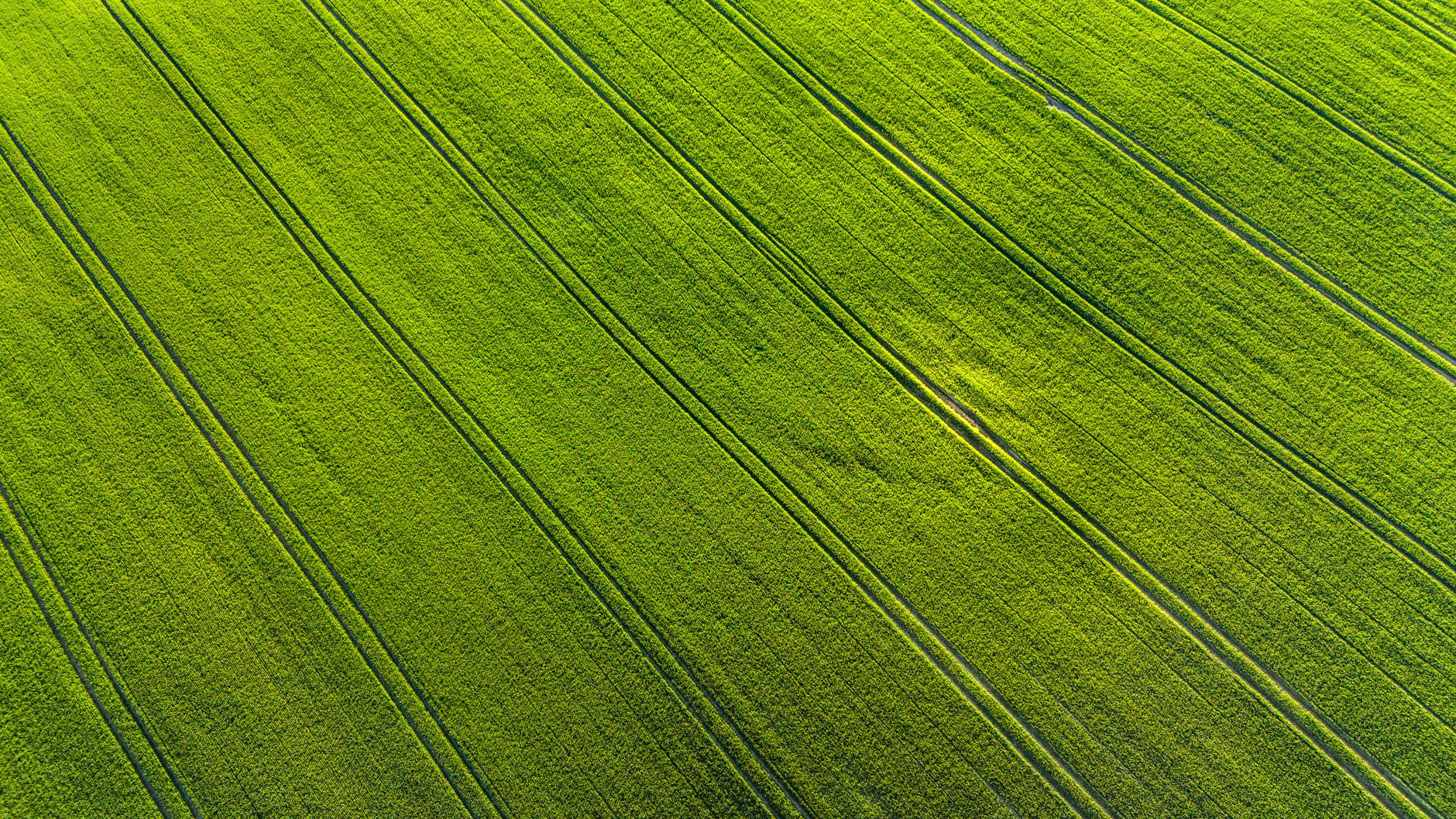
deep roots
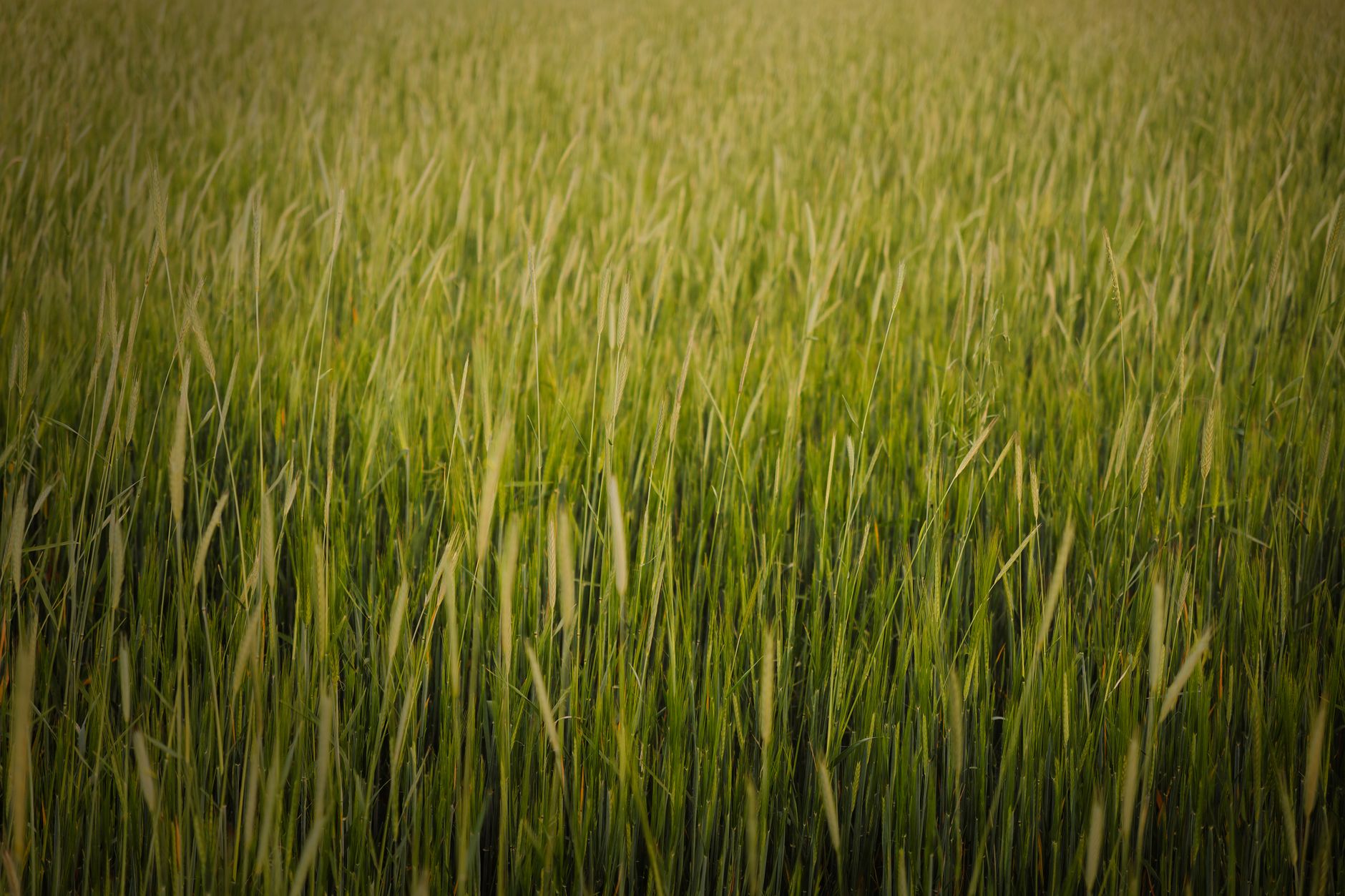
Rye
Punches through hardpan and holds the field all winter.
fall
A field monitor that reads the living soil — carbon, moisture, biology — so regenerative farmers can watch the ground get better, season after season.
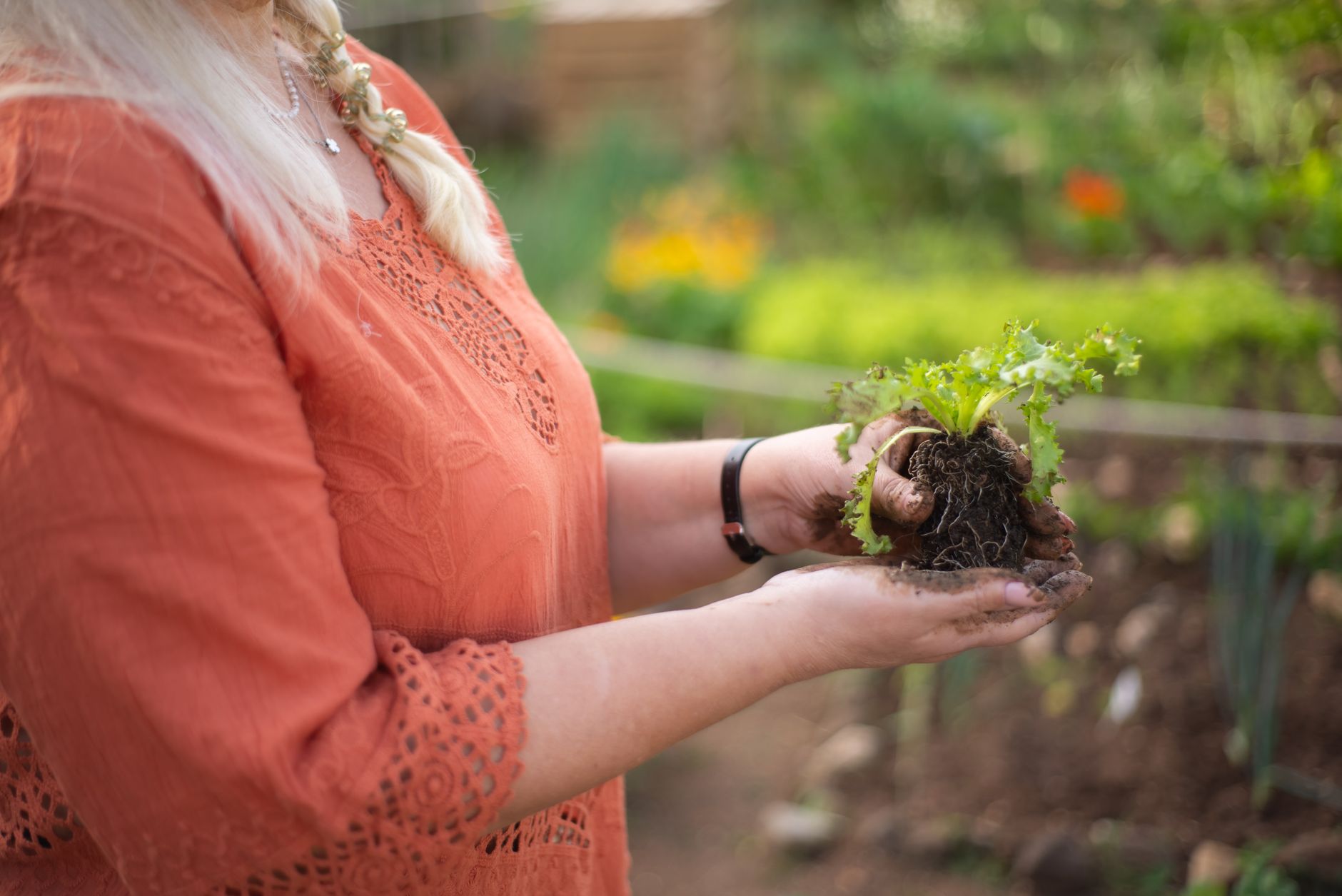
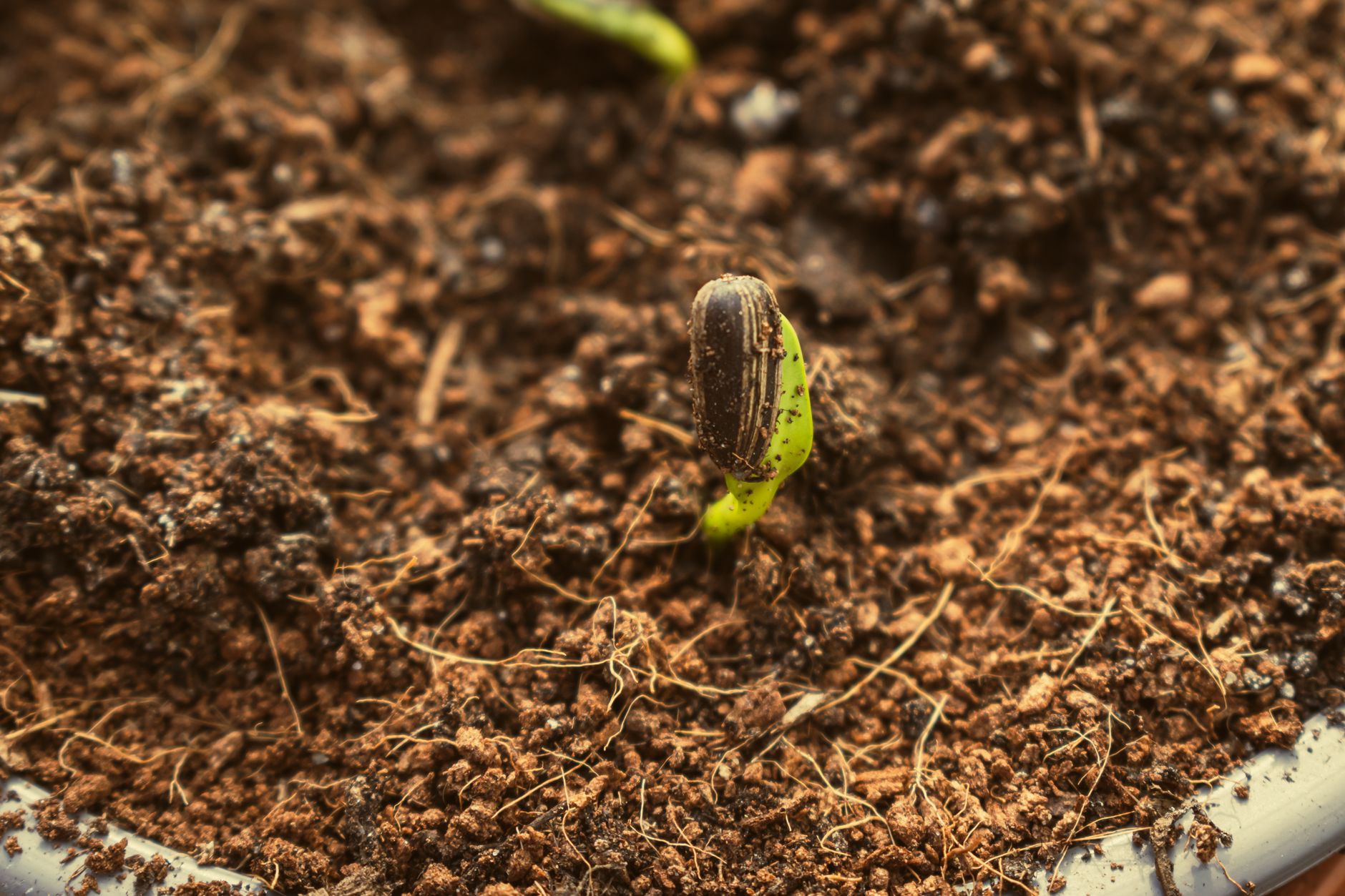
Three steps. No agronomy degree required.
A LOAM probe goes in the root zone and reads carbon, moisture, and respiration every 15 minutes.
The soil food web — microbes, fungi, worms — is scored into one living index you can watch move.
See which cover crop, rotation, or amendment moves the number, season after season.
Farm the soil, not the forecast.
Moisture, temperature, and respiration from the root zone, streamed every 15 minutes.
Soil organic carbon, measured and trended — export-ready for carbon buyers.
The food web distilled into one living index, 0–100, you can watch change.
Match the right cover to your gap, and see what it gives back.
Every field remembers its own history, year over year, crop over crop.
Frost windows and rain for your exact field, not the nearest airport.
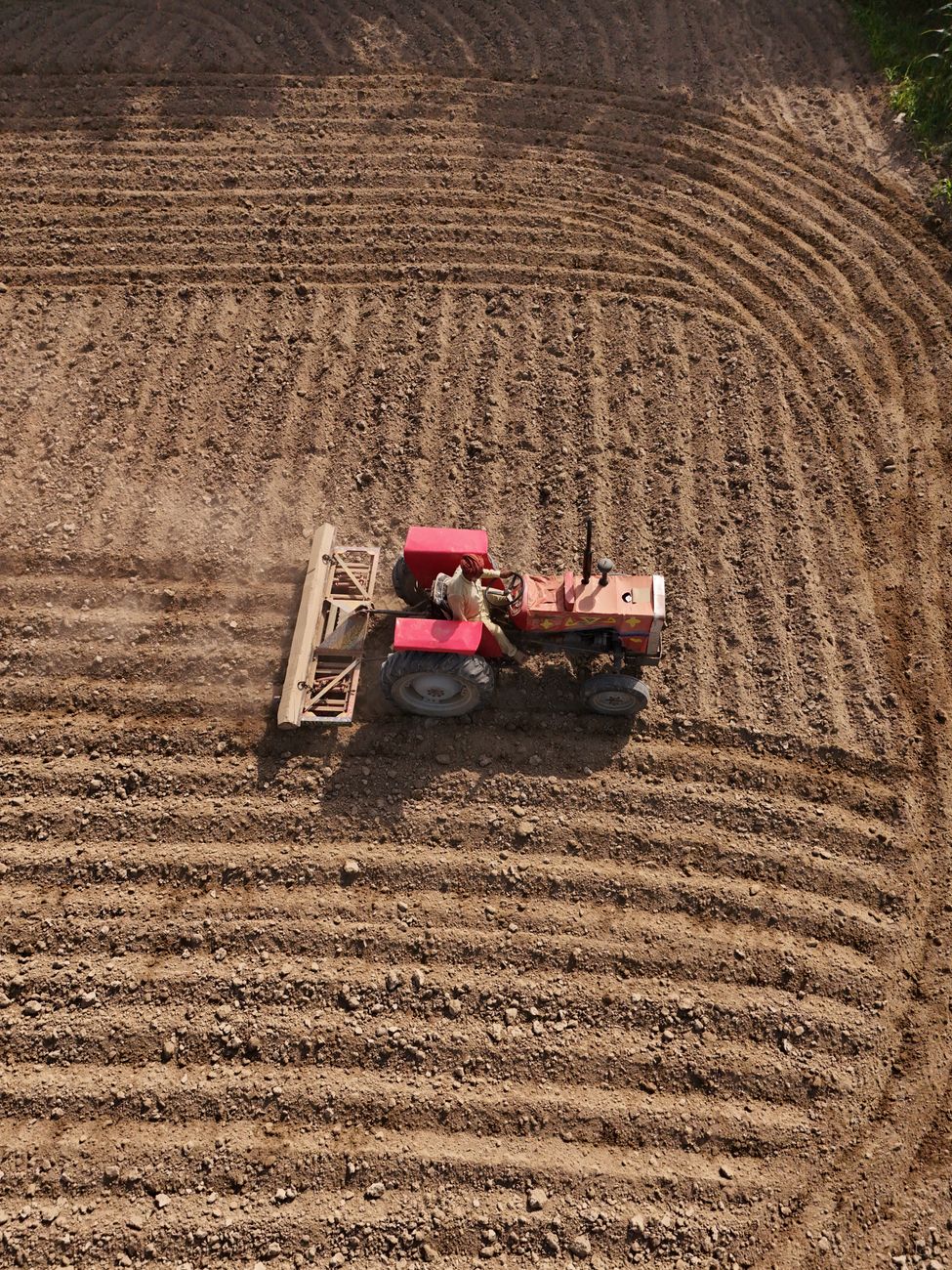
Shot where the farming actually happens.
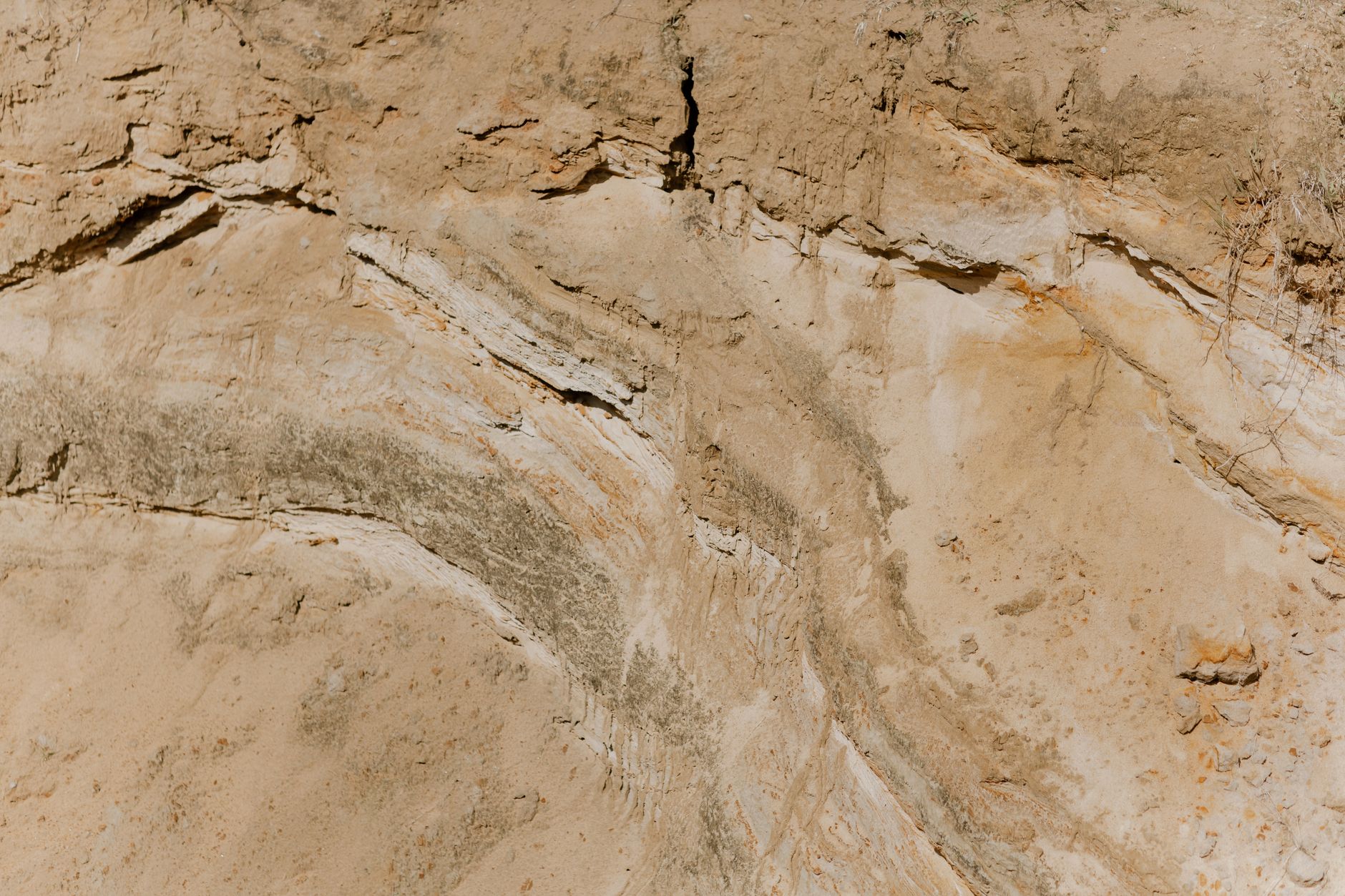
Dig down. It's all alive.
A soil profile, top to bottom. Every horizon has a job — and a signature color. Hover a layer.
Fresh litter and humus. The roof of the soil, where everything begins to rot into tomorrow's topsoil.
The engine room. Roots, earthworms, and the microbial bloom that turns dead rock into living ground.
Clays and minerals washed down from above. Where deep roots mine water and locked-away nutrients.
Weathered bedrock. Not dead — just patient. The slow pantry that feeds every layer above.
One pass, one frame at a time.
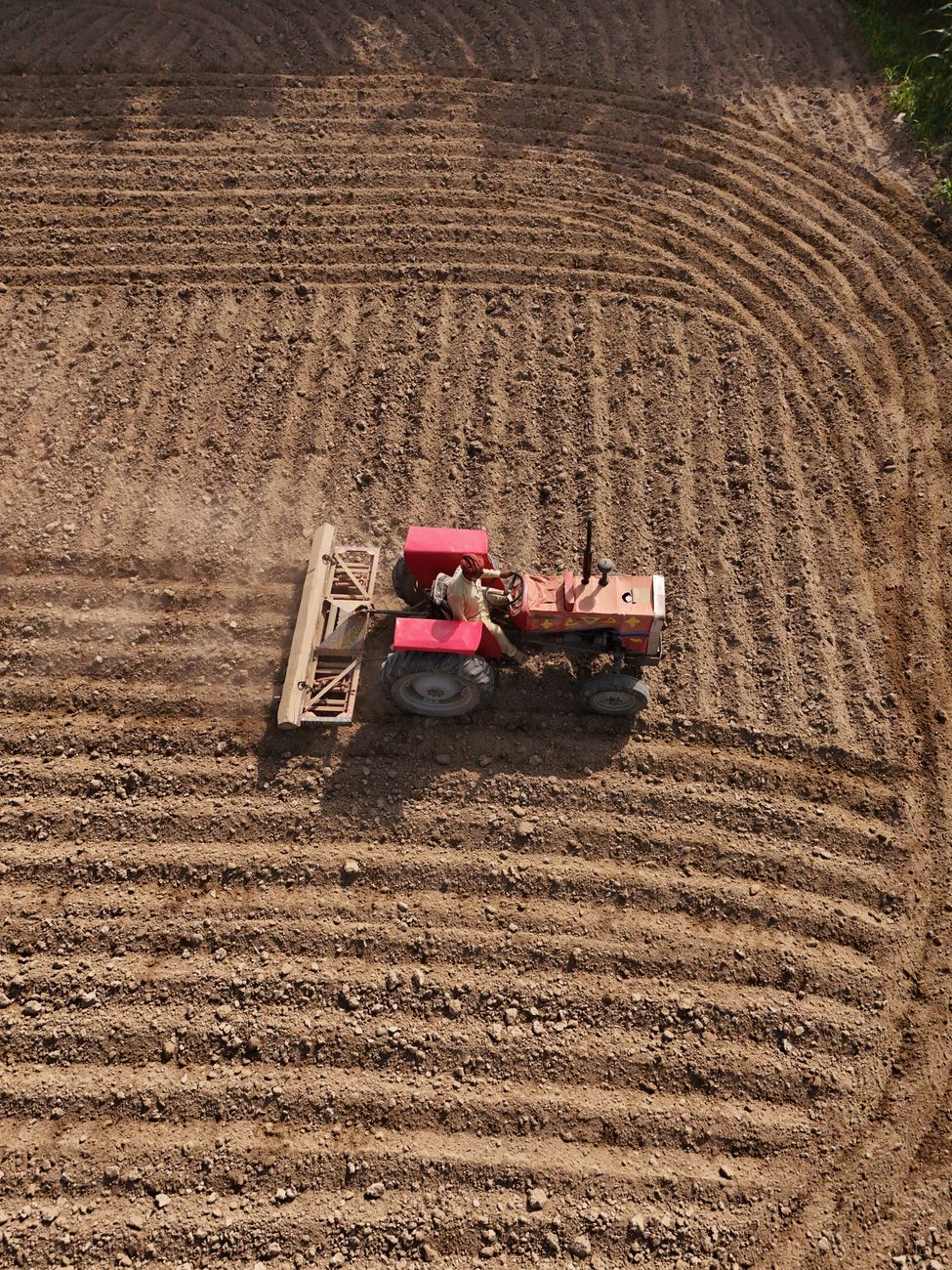
The rotation decides the mix.
Punches through hardpan and holds the field all winter.
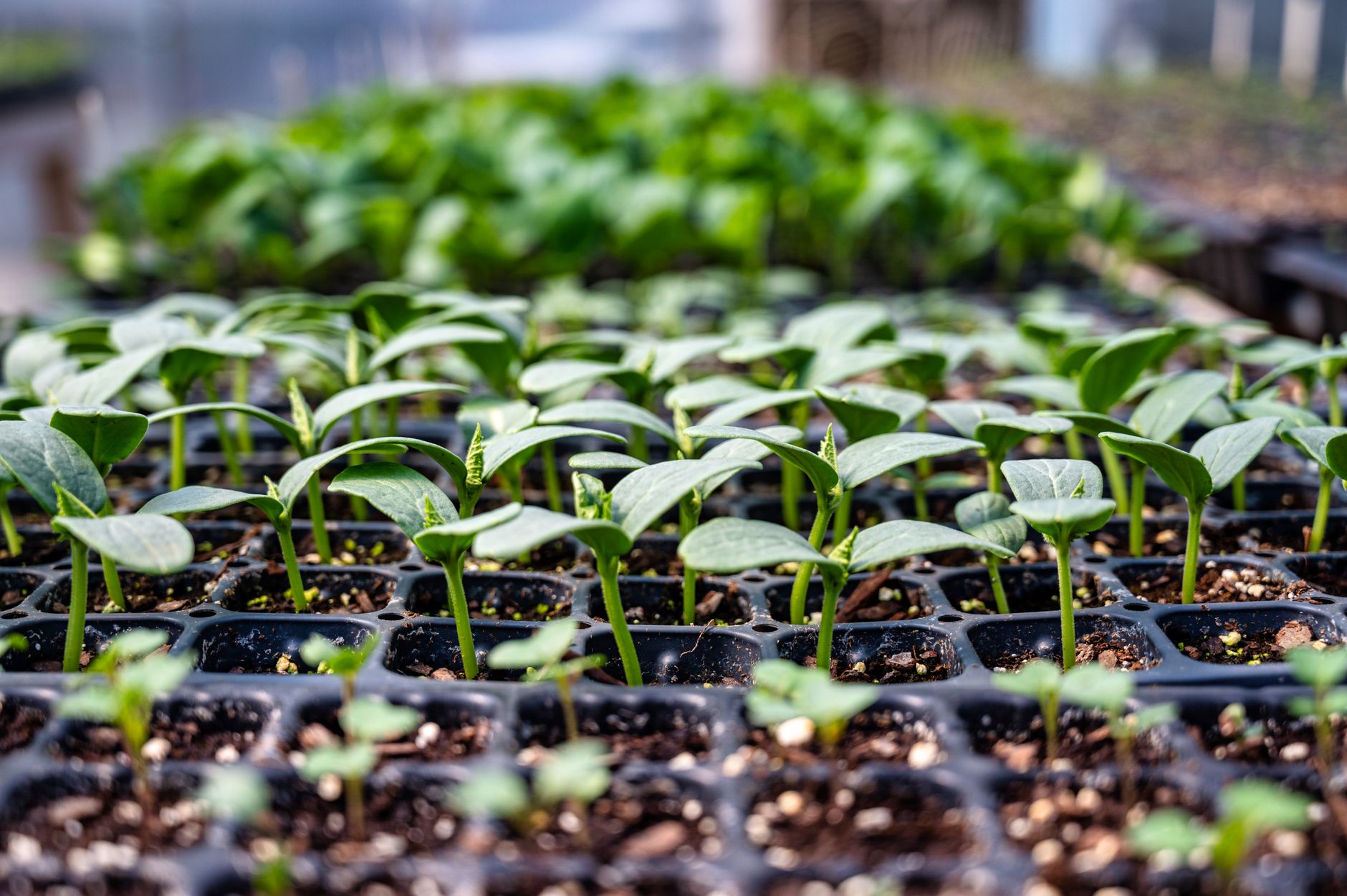
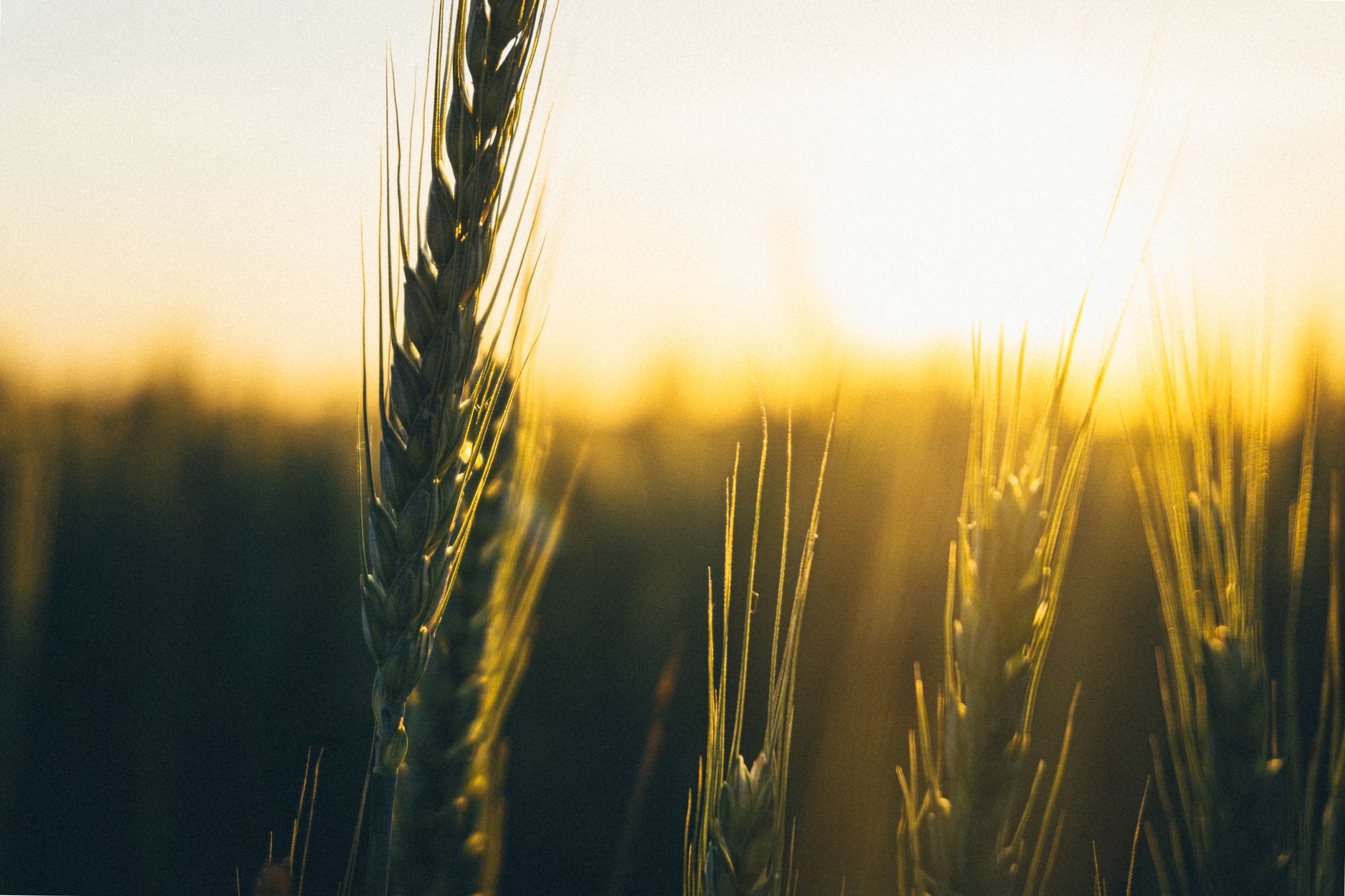
Pays the bills and leaves the cleanest straw on the farm.
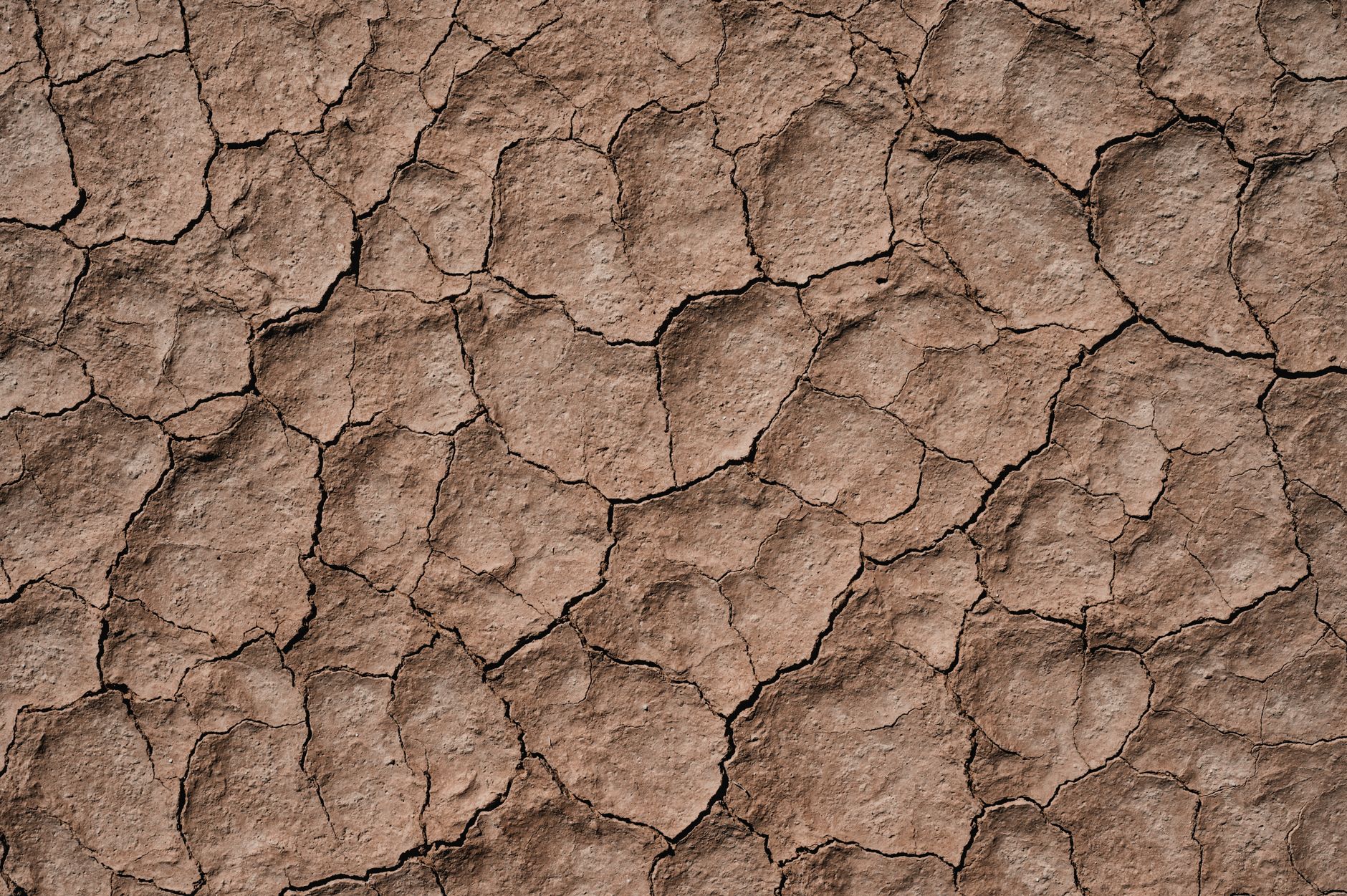
Up in days, blankets a bare field before the wind gets it.
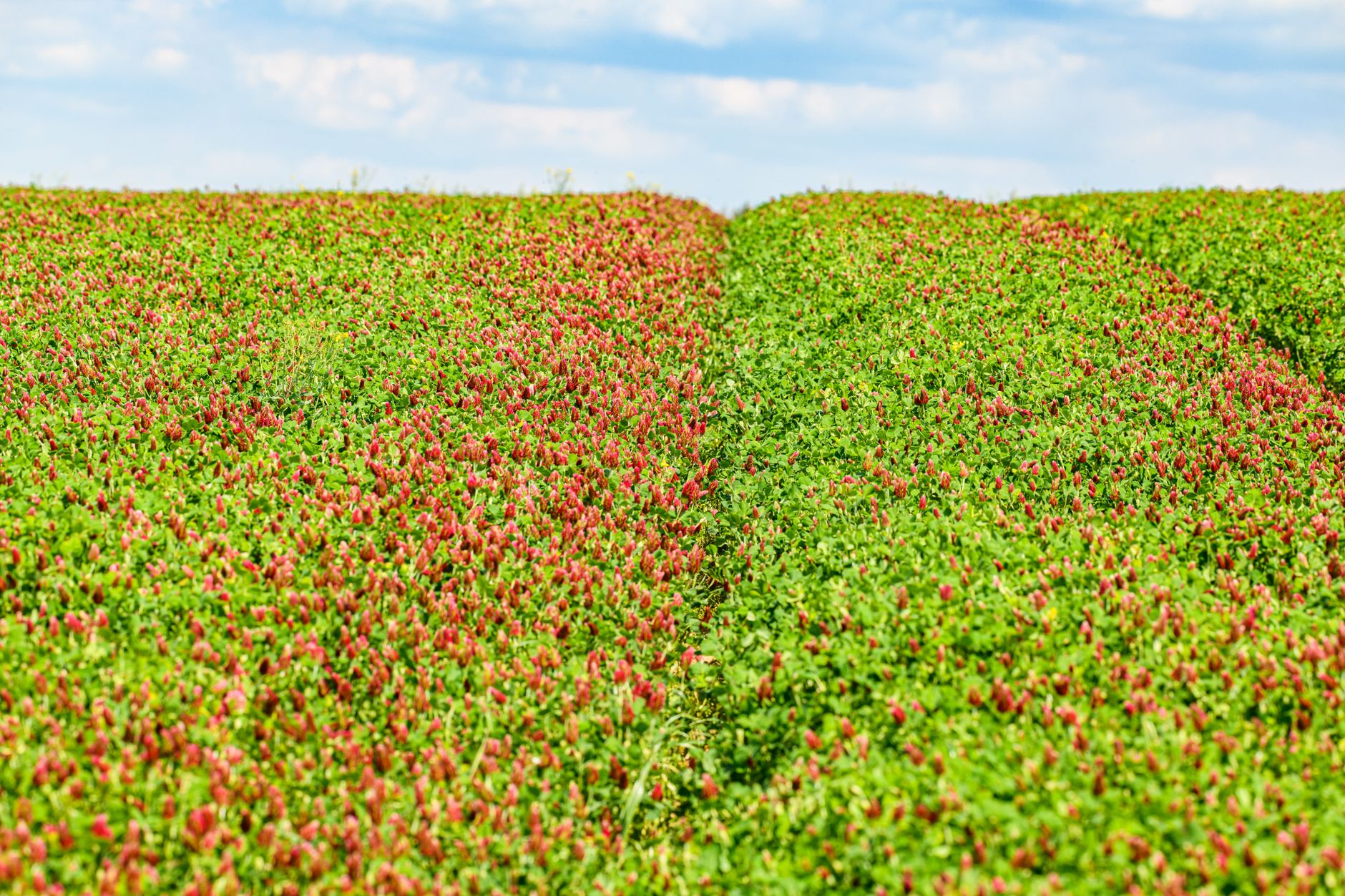
Pulls nitrogen from the air and leaves it in the ground, free.
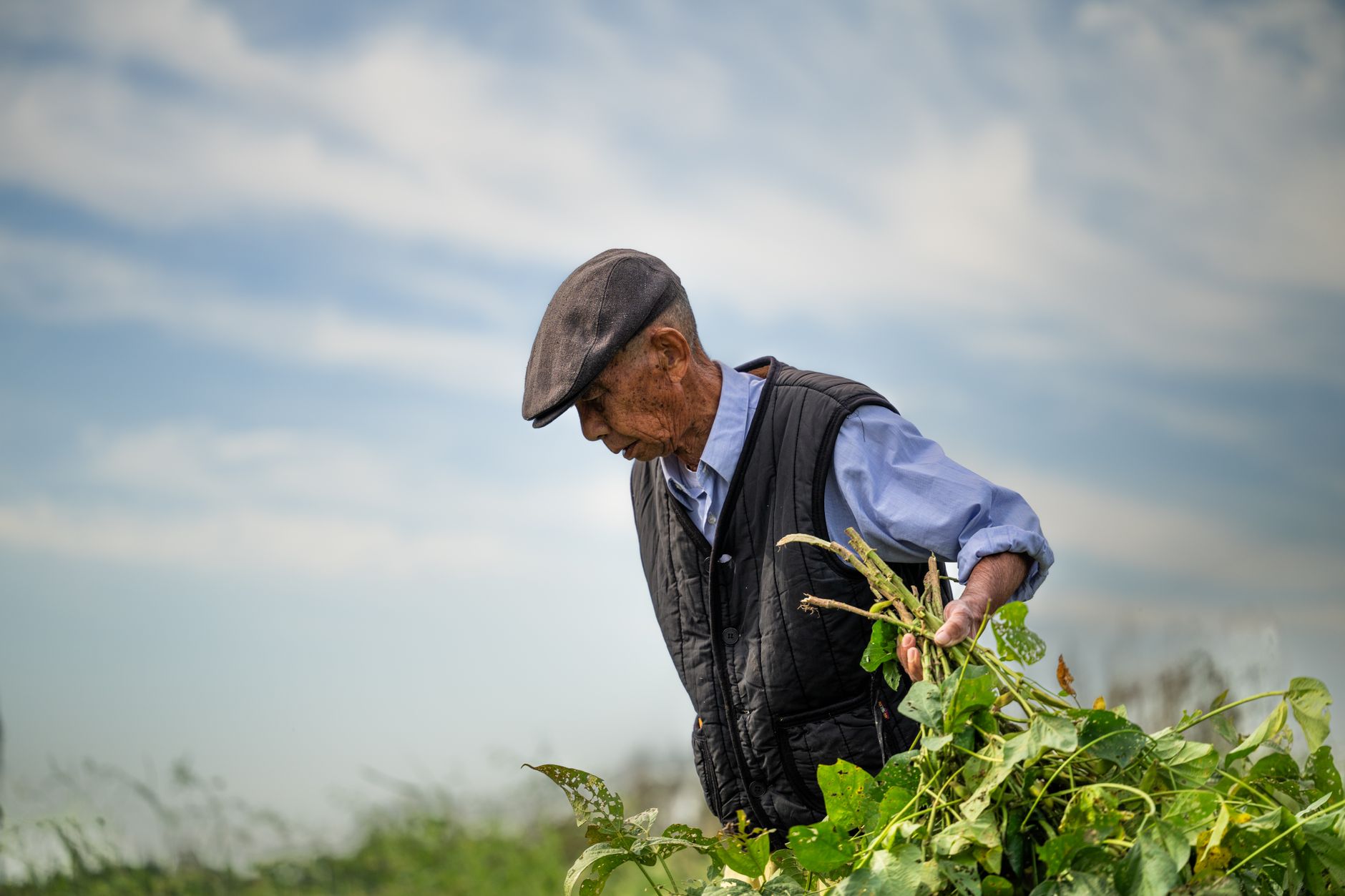
I spent ten years farming the same forty acres my grandfather broke with horses. Same seed, same rain, and every year the soil gave a little less. It took me too long to realize we were measuring the wrong thing.
The crop is the receipt. The soil is the bank account. You can read the receipt every harvest and still go broke, because you never looked at the balance underneath.
So here's the invitation: put a probe in the ground, and watch the balance move for the first time. That's the whole product.
Live, from our backend.
People who finally saw the balance move.
"I've tried every soil test on the market. Loam is the only one that shows the biology, not just the chemistry."
"The carbon number is the one that sold me. I can hand a buyer a page and the number's already moved."
"I set it on my late grandfather's field. Watching the index climb is like watching him nod."
Where we're going.
In-ground probes + living-soil index, live in beta on 40 farms.
Carbon accounting export and the cover-crop planner.
Field maps drawn from your own probes, not a satellite guess.
loam hardware: a probe that runs a full season on one charge.
the soil remembers.